Epsom Salt and Vinegar For Toenail Fungus: Remedy That Works?
Toenail fungus—medically known as onychomycosis—is more common than most people think. Characterized by thickened, discolored, and brittle nails, this unsightly condition can be persistent, embarrassing, and even painful if not treated properly.
Epsom Salt & Vinegar Toenail Trick (🦶15-Minute Soak❗) Erase Fungus Naturally at Home!


Epsom salt and vinegar help treat toenail fungus by softening nails, reducing inflammation, and creating an acidic environment that hinders fungal growth.
While over-the-counter antifungal creams and oral medications are commonly recommended, many individuals are turning to natural home remedies, particularly the use of Epsom salt and vinegar, to manage or even eliminate toenail fungus.
This blog explores in detail the combination of Epsom salt and vinegar for toenail fungus, why it might work, how to use it correctly, what precautions to take, and real-life success stories.
By the end of this post, you’ll have a comprehensive understanding of how this humble home remedy might just be the solution your toenails are begging for.
What is Toenail Fungus?
Toenail fungus is a fungal infection that typically starts with a small white or yellow spot under the tip of the toenail. As the fungus spreads, it penetrates deeper into the nail, causing:
- Nail discoloration (yellow, brown, or white)
- Thickening of the nail
- Crumbling edges
- Bad odor
- Possible separation from the nail bed
- Pain when walking or wearing shoes
Fungi thrive in warm, moist environments such as sweaty socks, closed shoes, public showers, or swimming pools. People with diabetes, compromised immune systems, or poor foot hygiene are particularly vulnerable.
Why Use Natural Remedies Like Epsom Salt and Vinegar?
Modern medicine offers effective antifungal treatments, but they come with potential side effects, cost barriers, or simply don’t work for everyone. This leads many to explore home remedies that are:
- Affordable
- Easy to use
- Widely available
- Less likely to cause side effects
Epsom salt and vinegar, especially when combined, create a powerful natural antifungal soak. Each ingredient has unique properties that help soothe, disinfect, and potentially inhibit fungal growth.
What is Epsom Salt?
Despite the name, Epsom salt isn’t actually salt. It’s a naturally occurring pure mineral compound of magnesium sulfate, known for its detoxifying and anti-inflammatory properties. It has been used for centuries in baths to:
- Relieve sore muscles
- Soften skin
- Reduce swelling
- Promote relaxation
- Aid in wound healing
When applied to fungal-infected toenails, Epsom salt can help draw out the infection, exfoliate dead skin cells, and soften the affected area—making it easier for vinegar (or any antifungal treatment) to penetrate the nail bed.
What Type of Vinegar is Best?
White vinegar and apple cider vinegar (ACV) are the most common types used for toenail fungus. Both contain acetic acid, which lowers the pH of the skin and makes the environment inhospitable for fungi to grow.
Apple Cider Vinegar Benefits:
- Contains malic and acetic acids
- Has additional antibacterial and antifungal properties
- Smells less harsh than white vinegar
- Often enriched with enzymes and good bacteria (“the mother”)
For toenail fungus, ACV is generally preferred, but white vinegar can be just as effective, especially when used consistently and correctly.
How Epsom Salt and Vinegar Work Together for Toenail Fungus
Individually, Epsom salt and vinegar are helpful. But combined, they offer a multi-pronged approach:
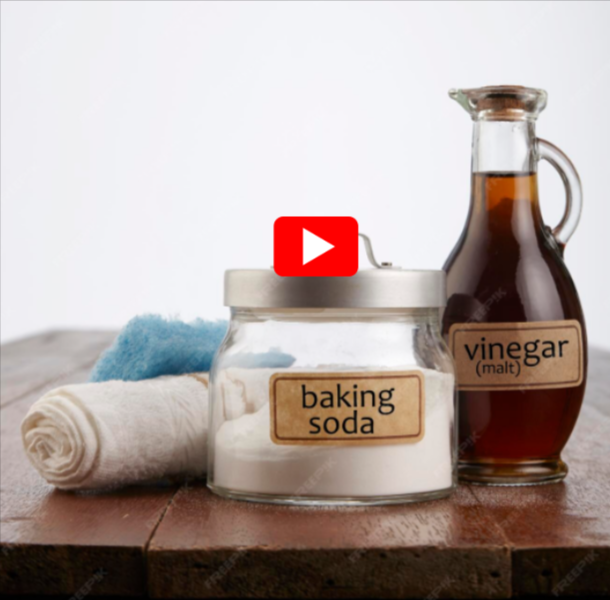
Epsom Salt & Vinegar Magic Soak (🛁Toenails TRANSFORM in 7 Days❗) Try This Fungus Fix!
| Ingredient | Primary Function |
| Epsom Salt | Exfoliates skin, reduces inflammation, softens nail |
| Vinegar | Kills fungus, changes skin pH, prevents spread |
When you soak your feet in this solution, it helps:
- Penetrate thickened nails
- Soften cuticles and nail plates for better absorption of treatment
- Kill or slow fungal growth by creating an acidic environment
- Reduce odor and itchiness caused by the infection
- Ease discomfort associated with toenail fungus
Step-by-Step: How to Use Epsom Salt and Vinegar for Toenail Fungus
- A clean foot basin or tub
- 1/2 cup of Epsom salt
- 1/2 cup of apple cider vinegar (or white vinegar)
- Warm water (enough to soak feet)
- A soft towel
- Nail clippers and a nail file
Soaking Instructions:
- Clean and Trim the Nails: Before soaking, wash your feet with soap and warm water. Trim your toenails and file down any thickened areas to allow deeper penetration.
- Prepare the Soak: Fill the basin with warm water (enough to cover your feet or at least the affected toenail). Add Epsom salt and vinegar in a 1:1 ratio—typically ½ cup each.
- Soak Your Feet: Soak for 15 to 30 minutes. This allows the ingredients to work on softening the nail and killing off fungal organisms.
- Dry Thoroughly: Pat your feet dry with a clean towel, especially between the toes. Moisture left behind can actually worsen fungal infections.
- Apply Antifungal (Optional): After soaking, you can apply an antifungal cream, tea tree oil, or essential oil blend for added potency.
Frequency of Use
For mild to moderate toenail fungus: Soak once daily for 2–3 weeks.
For more severe cases: Soak twice daily (morning and night) for at least 4–6 weeks. Consistency is key. Missing days may reduce the effectiveness of the treatment.
Additional Tips for Best Results
- Wear breathable socks – Cotton or moisture-wicking fabric is ideal.
- Keep toenails trimmed – This prevents fungal buildup and reduces pressure on the nail.
- Disinfect tools – Always sterilize clippers and nail files after each use.
- Avoid tight shoes – Choose footwear that allows air circulation.
- Change footwear often – Fungi can live inside shoes; try rotating pairs.
- Use foot powder – Keeps feet dry and prevents fungal reinfection.
- Don’t skip treatment – Even if the nail appears better, fungus may still be under the nail bed.
Does It Really Work? What the Evidence Says
While there is limited clinical research on the direct use of Epsom salt and vinegar for toenail fungus, their individual benefits are well-documented.
- Vinegar has antifungal properties and has been shown in studies to inhibit fungal growth in vitro.
- Epsom salt, while not directly antifungal, helps soften the skin and improve the absorption of antifungal agents.
Many home remedy enthusiasts report success when combining both in daily soaks. Though not a guaranteed cure, it can greatly reduce fungal symptoms and support nail recovery—especially when combined with good foot hygiene and consistent treatment.
Real-Life Testimonials
Samantha T., 41 – Phoenix, AZ ⭐⭐⭐⭐⭐
“I was embarrassed by my yellow toenails for years. I started using an Epsom salt and vinegar soak nightly, and within a few weeks, the smell was gone and the nail looked healthier. It’s not a miracle overnight fix, but it definitely works with patience.”
David R., 58 – Brooklyn, NY ⭐⭐⭐⭐⭐
“I have diabetes and deal with recurring toenail issues. I started soaking with apple cider vinegar and Epsom salt after consulting my podiatrist. It didn’t cure it instantly, but the thickness reduced significantly and the nail color improved. I do this twice a day now.”
Marie C., 36 – Tampa, FL ⭐⭐⭐⭐⭐
“I hated using chemical ointments. My grandmother suggested vinegar and Epsom salt. It stinks a bit, but it WORKS. Two months later, my nails are almost back to normal!”
When to See a Doctor
While home remedies are helpful, you should see a podiatrist or dermatologist if:
- The infection spreads or worsens
- You experience pain or bleeding
- You have diabetes and notice nail or foot changes
- There’s no improvement after 6–8 weeks of daily treatment
Medical treatments like oral antifungals, laser therapy, or medicated nail lacquers may be needed in severe or resistant cases.
Pros and Cons of Using Epsom Salt and Vinegar
Pros
- Affordable and accessible
- Natural ingredients
- Soothes skin and reduces inflammation
- Can be done at home daily
- No side effects
Cons
- Requires consistency and patience
- Results may take weeks or months
- Not suitable for advanced infections alone
Conclusion
Using Epsom salt and vinegar for toenail fungus is a time-tested home remedy that many swear by. Though not a quick fix, this combination works by softening the nail, altering skin pH, and attacking fungal cells.
If you’re looking for a gentle, natural, and inexpensive way to treat mild to moderate nail fungus, this simple soak is a great place to start.
Consistency, hygiene, and patience are your best allies. While this remedy won’t always replace prescription treatments, it can be a highly effective complementary approach or early-stage solution.
Say Goodbye to Yellow Nails! (🧂+🍎 Combo) Epsom Salt & Vinegar Kills Fungus FAST!

References
Epsom Salt for Feet
https://www.verywellhealth.com/epsom-salt-for-feet-5180162
Apple Cider Vinegar for Nail Fungus
https://www.healthline.com/health/apple-cider-vinegar-for-nail-fungus
Fungal Nail Infections Overview
https://www.webmd.com/skin-problems-and-treatments/ss/slideshow-fungal-infections
.