Castor Oil for Toenail Fungus: A Natural Remedy That Works?
Toenail fungus, medically known as onychomycosis, is a common yet stubborn condition that affects millions of people worldwide. If you’ve noticed your toenails becoming discolored, brittle, thickened, or even foul-smelling, chances are a fungal infection is to blame.
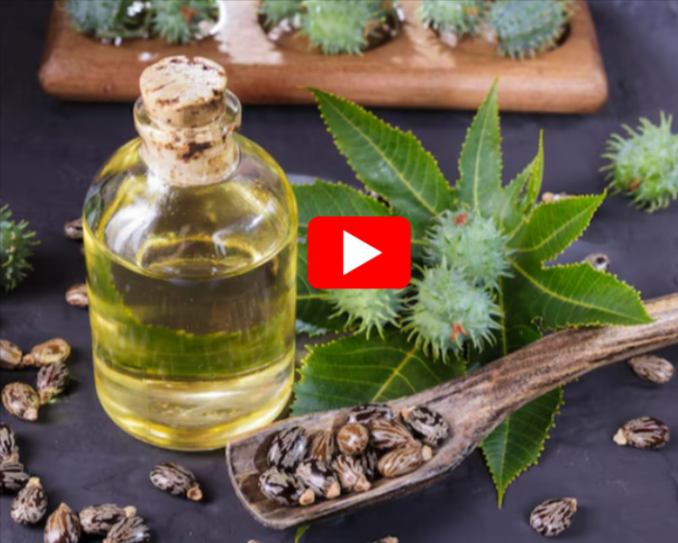

Castor oil for toenail fungus is a natural remedy known for its antifungal and moisturizing properties, helping to restore healthy, clear nails over time.
While pharmaceutical treatments are available, many people are turning to natural remedies to combat this embarrassing and often persistent problem.
One such remedy generating buzz is castor oil. But does castor oil really help with toenail fungus, or is it just another internet myth?
In this comprehensive guide, we’ll explore how castor oil can be used to treat toenail fungus, the science behind it, how to apply it effectively, and what to expect. By the end of this post, you’ll have all the information you need to decide whether castor oil is the right natural solution for your fungal woes.
What Is Toenail Fungus?
Before diving into the remedy, it’s crucial to understand the nature of the enemy. Toenail fungus is typically caused by dermatophytes, a group of fungi that thrive in warm, moist environments.
These microorganisms feed on keratin — the protein that makes up your nails — and gradually destroy the nail structure.
Once a fungal infection sets in, it can be notoriously hard to treat. That’s why people are increasingly turning to natural antifungal agents, such as castor oil, for long-term management and healing.
What Is Castor Oil?
Castor oil is a pale yellow oil extracted from the seeds of the Ricinus communis plant. Rich in ricinoleic acid, vitamin E, and omega-6 fatty acids, castor oil has been used for centuries for its anti-inflammatory, antibacterial, and antifungal properties.
Its ability to penetrate deep into the skin and nail bed makes it a popular remedy for various skin and health issues.
Key Components of Castor Oil:
- Ricinoleic Acid: A unique fatty acid known for its powerful anti-inflammatory and antimicrobial effects.
- Vitamin E: A natural antioxidant that helps repair skin and nails.
- Triglycerides: Aid in moisturizing and improving skin barrier function.
- Undecylenic Acid (in Jamaican black castor oil): A known FDA-approved antifungal agent used in some medicated creams.
Is Castor Oil Effective for Toenail Fungus?
The short answer is: Yes, castor oil can help combat toenail fungus — but it works best when used consistently and correctly.
How It Works:
- Antifungal Action: Ricinoleic acid and undecylenic acid have been shown in several studies to inhibit the growth of fungi, including Candida albicans and dermatophytes.
- Moisturizing the Nail Bed: Castor oil penetrates the tough keratin in nails, softening and hydrating the nail bed. This not only improves nail appearance but also helps remove fungal debris.
- Anti-Inflammatory Benefits: Toenail fungus can cause inflammation, redness, and pain. The anti-inflammatory properties of castor oil help reduce discomfort.
- Improved Nail Growth: By promoting blood circulation and moisturizing the nail matrix, castor oil may aid in healthy nail regrowth, which is essential to replacing damaged, infected nails.
Bonus Tip: Combine with Other Natural Oils
For enhanced results, castor oil pairs well with other antifungal essential oils:
- Tea Tree Oil
- Lavender Oil
- Oregano Oil
- Eucalyptus Oil
Mix a few drops with castor oil and apply using the same methods outlined above.
Types of Castor Oil: Which One Works Best?
Not all castor oils are created equal. Here are the main types and their specific benefits:
Cold-Pressed Castor Oil
- Extracted without heat, preserving most nutrients
- Best for sensitive skin
- Suitable for regular application
Jamaican Black Castor Oil (JBCO)
- Roasted and boiled, making it darker and more potent
- Higher pH helps open pores and penetrate nails
- Contains undecylenic acid, enhancing its antifungal power
Hydrogenated Castor Oil (Castor Wax)
- Not suitable for toenail fungus; used mainly in cosmetics
Verdict: For treating toenail fungus, Jamaican Black Castor Oil is often considered the best choice due to its enhanced antifungal properties and deeper penetration.
How to Use Castor Oil for Toenail Fungus
Consistency and proper application are key. Here’s a step-by-step guide on how to use castor oil for toenail fungus effectively.
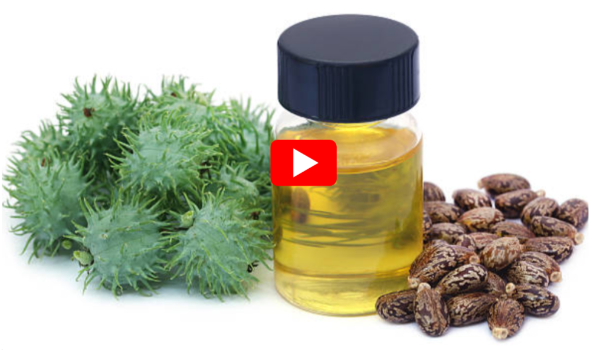
Method 1: Castor Oil and Baking Soda Paste
- Organic cold-pressed or Jamaican Black Castor Oil
- Cotton swab or Q-tip
- Nail file (optional)
- Clean towel
Steps:
- Clean the nail area thoroughly with warm water and soap. Dry completely.
- File the top layer of the nail if thickened, to help the oil penetrate.
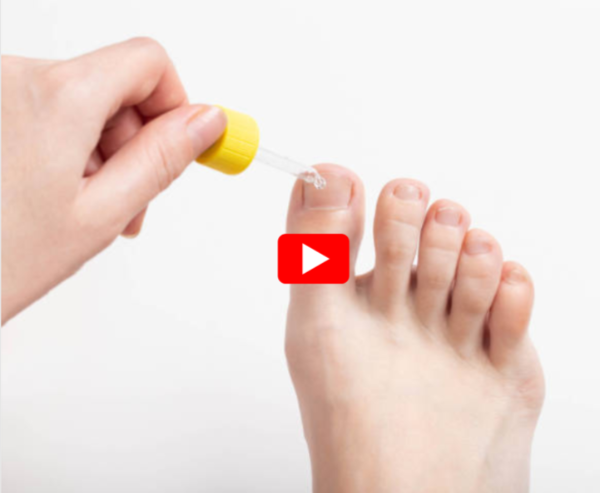
- Using a cotton swab, apply a generous amount of castor oil to the affected nail and surrounding skin.
- Let it soak for 30 minutes or overnight (you can wear breathable cotton socks).
- Repeat twice daily for best results.
Method 2: Castor Oil and Baking Soda Paste
Baking soda helps maintain a non-acidic environment which inhibits fungal growth.
Ingredients:
- 1 tbsp castor oil
- 1 tsp baking soda
Steps:
- Mix into a thick paste.
- Apply it to the affected toenail.
- Leave on for 20–30 minutes, then rinse and dry.
- Use once a day for several weeks.
Method 3: Castor Oil Foot Soak
This method is great if multiple nails or areas are affected.
Ingredients:
- 2 tablespoons castor oil
- 1 liter warm water
- Optional: a few drops of tea tree oil
Steps:
- Soak your feet for 15–20 minutes.
- Pat dry and apply more castor oil directly on infected nails.
- Repeat 3–4 times a week.
How Long Does It Take to See Results?
Toenail fungus is stubborn. Natural remedies take time and consistency. Here’s what you might expect:
- Within 2–4 weeks: Reduction in discoloration, less thickening
- Within 6–8 weeks: Noticeable nail regrowth, less odor
- After 12+ weeks: Healthy nail starts replacing the infected one
Important Note: Toenails grow slowly. Full regrowth may take 6 months or more.
Tips to Boost the Effectiveness of Castor Oil
- Keep feet dry and clean: Fungi thrive in moist environments. Always dry your feet after bathing.
- Trim and file the nails regularly: This reduces fungal buildup and allows better oil penetration.
- Wear breathable socks and shoes: Choose cotton socks and avoid tight, non-ventilated shoes.
- Avoid nail polish or acrylics: These can trap moisture and worsen fungal infections.
- Disinfect tools regularly: Always sanitize nail clippers and files to avoid re-infection.
Pros and Cons of Using Castor Oil for Toenail Fungus
Pros
- Natural and chemical-free
- Anti-inflammatory and hydrating
- Multi-functional: can be used on skin, hair, and nails
- Safe for most skin types
Cons
- Requires consistent, long-term use
- Slightly sticky/oily texture
- Not a substitute for prescription in serious cases
Real-Life Testimonials
Lori M., Ohio ⭐⭐⭐⭐⭐
“I tried castor oil for my big toenail that turned yellow and thick. I used it every night for 2 months and saw gradual improvement. The nail is growing out healthier now.”
James R., Florida ⭐⭐⭐⭐⭐
“Jamaican black castor oil made a difference when nothing else worked. I combined it with tea tree oil and soaked my feet. Patience is key, but it does help!”
Conclusion
If you’re battling the frustrating symptoms of toenail fungus and prefer a natural, budget-friendly, and gentle approach, castor oil is definitely worth trying.
It may not deliver overnight miracles, but with consistent use, proper hygiene, and a little patience, castor oil can help soothe the infection, support healthy nail regrowth, and restore confidence in your feet.
It’s also a great preventative tool—even after your nails recover, occasional use can help keep fungi at bay.
References
Antifungal Properties of Ricinoleic Acid
https://www.ncbi.nlm.nih.gov/pmc/articles/PMC4809007/
Efficacy of Castor Oil Against Dermatophytes
https://www.ncbi.nlm.nih.gov/pmc/articles/PMC4387693/
Jamaican Black Castor Oil and Undecylenic Acid Benefits
https://www.ncbi.nlm.nih.gov/pmc/articles/PMC5533643/
Natural Remedies for Onychomycosis (Toenail Fungus)
https://pubmed.ncbi.nlm.nih.gov/24722143/
Castor Oil Penetration and Skin Repair Studies
https://www.ncbi.nlm.nih.gov/pmc/articles/PMC9843190/