Iodine for Toenail Fungus: A Natural Remedy That Works?
Toenail fungus, medically referred to as onychomycosis, is more than just a cosmetic problem. It can be an embarrassing and persistent issue, often causing thickened, discolored, and brittle nails that can be painful and difficult to treat.
In recent years, natural remedies have gained traction, and one of the most talked-about is iodine for toenail fungus.
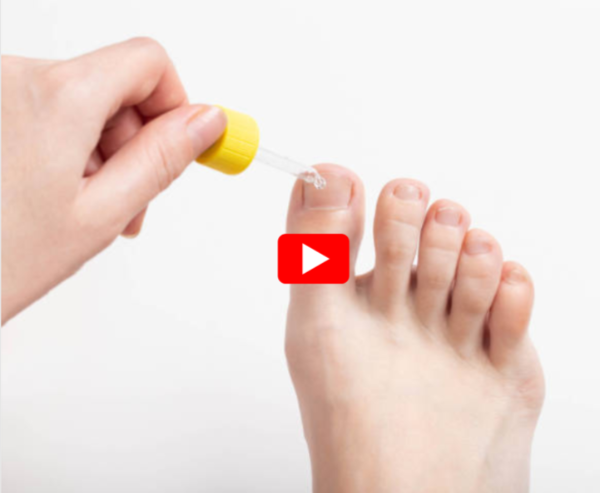

Iodine for toenail fungus is a natural remedy known for its powerful antifungal properties, helping eliminate infection and promote healthy nail regrowth.
But does iodine really work against fungal nail infections? How should it be applied, and is it safe for everyone? In this comprehensive guide, we’ll explore the benefits, usage, effectiveness, and safety profile of iodine in treating toenail fungus.
Understanding Toenail Fungus
Before diving into iodine as a remedy, let’s first understand what toenail fungus is and why it’s so difficult to treat.
Toenail fungus is caused by various fungi, including dermatophytes, yeasts, and molds. These organisms thrive in warm, moist environments — think sweaty socks, communal showers, locker rooms, and closed shoes. Once the fungi infiltrate the nail bed, they can be incredibly stubborn to remove.
Common Symptoms Include:
- Yellow, white, or brown discoloration
- Thickened or distorted nail shape
- Brittleness or crumbling at the edges
- A foul smell from the nail
- Separation of the nail from the nail bed
Although toenail fungus is not usually dangerous, it can lead to complications for individuals with diabetes, weakened immune systems, or poor circulation.
What is Iodine?
Iodine is a naturally occurring element that’s essential for human health. It plays a crucial role in thyroid hormone production, which regulates metabolism, growth, and development. But aside from its internal functions, iodine is a well-known antiseptic and antifungal agent.
Types of Iodine Used Medicinally
- Tincture of Iodine: An alcohol-based solution containing 2–7% elemental iodine.
- Povidone-Iodine (Betadine): A water-soluble complex that releases iodine slowly and is less irritating to the skin.
Both forms are widely available and have been used for decades to disinfect wounds, surgical sites, and skin infections.
Why Use Iodine for Toenail Fungus?
Fungi are opportunistic microorganisms that can colonize skin and nails when the immune system is compromised or local hygiene is poor. Iodine’s potent antiseptic and antifungal properties make it a promising home remedy.
Here’s Why Iodine May Help:
- Broad-Spectrum Antifungal Action: Iodine can kill various fungi, including the dermatophytes responsible for most nail infections.
- Rapid Penetration: Alcohol-based tinctures penetrate the nail plate better than water-based creams or ointments.
- Affordable and Accessible: Iodine is inexpensive and widely available without a prescription.
- Minimal Resistance Development: Unlike oral antifungals, fungi do not easily develop resistance to iodine.
How to Use Iodine for Toenail Fungus
Applying iodine correctly is crucial for results. Here’s a step-by-step guide for using iodine at home:
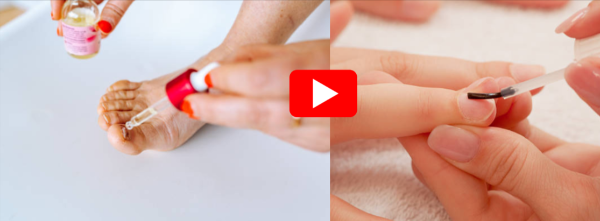
What You’ll Need:
- Tincture of iodine or povidone-iodine (Betadine)
- Cotton swabs or a clean brush
- Nail file or buffer
- Clean towel
- Soap and water
Application Steps:
- Clean the Area: Wash your feet thoroughly with soap and water. Dry completely, especially between the toes.
- Trim and File the Nail: Cut the infected nail as short as possible. Use a nail file to gently remove the top surface to allow better iodine penetration.
- Apply the Iodine: Using a cotton swab or brush, apply a thin layer of iodine to the affected nail and surrounding skin. Avoid excessive amounts.
- Let It Dry: Allow the iodine to air-dry completely before putting on socks or shoes.
- Repeat Twice Daily: Apply in the morning and evening for at least 6 to 12 weeks, depending on the severity.
- Continue Maintenance: Even after the visible fungus is gone, continue once-a-day applications for another 2–4 weeks to prevent recurrence.
How Long Does It Take to See Results?
Toenail fungus is notoriously slow to treat due to the slow growth rate of nails. You may start noticing improvements in 4 to 6 weeks, but complete regrowth of a healthy nail can take 6 to 12 months.
Signs of Healing:
- Reduction in discoloration
- Healthy nail growth from the base
- Decrease in nail thickness or crumbling
- Absence of foul odor
Consistency is key. Skipping applications can allow the fungus to regroup and prolong the infection.
Scientific Support for Iodine’s Antifungal Properties
Several laboratory studies have shown iodine’s effectiveness against fungi:
- A 2011 study published in Mycoses demonstrated that povidone-iodine was effective against a broad spectrum of fungal pathogens, including Candida and Trichophyton rubrum — the most common cause of toenail fungus.
- In vitro research has shown that iodine penetrates fungal cell walls, disrupting their structure and reproductive mechanisms.
- Clinical observations in dermatology suggest that topical iodine can prevent reinfection when used as a post-treatment disinfectant.
While more robust clinical trials are needed for toenail-specific applications, existing evidence is promising.
Pros and Cons of Using Iodine
Pros
- Kills fungi, bacteria, and viruses
- Easy to use at home
- Affordable and widely available
- Minimal resistance risk
- Can be used with other remedies
Cons
- Requires consistent daily use over weeks or months
- Not Suitable for everyone
- Result may vary
Tips for Best Results
- Wear breathable shoes and change socks daily.
- Avoid public showers or wear flip-flops in communal areas.
- Disinfect nail clippers and other tools after every use.
- Don’t share towels or footwear.
- Boost your immunity with a healthy diet and good sleep.
Alternatives and Combinations
If iodine alone isn’t delivering the desired results, it can be paired with other remedies:
Tea Tree Oil
A natural antifungal and anti-inflammatory oil. Alternate applications with iodine for a double-action approach.
Vinegar Soaks
Apple cider vinegar helps balance the pH and inhibits fungal growth. Soak feet for 15 minutes daily before applying iodine.
Lamisil (Terbinafine)
For severe cases, topical iodine can be used alongside prescribed oral medications for faster healing.
Laser Treatment
Although costly, laser treatment penetrates the nail to kill fungus and can complement iodine therapy.
Is Iodine Safe for Everyone?
While iodine is generally safe for topical use, certain precautions must be taken:
Avoid If You:
- Have iodine sensitivity or allergy
- Are pregnant or breastfeeding (consult your doctor)
- Have thyroid disorders
- Are using other topical antifungals (to avoid irritation)
Any Side Effects:
- Iodine for toenail fungus is generally safe, with made with natural ingredients. No Known side Effects.
When to See a Doctor
Not all fungal infections respond well to home remedies. Seek professional help if:
- The nail becomes painful or inflamed
- Multiple nails are infected
- The nail separates from the nail bed
- You have diabetes or circulation issues
- There’s no improvement after 12 weeks
Conclusion
Using iodine for toenail fungus is an effective, natural, and accessible treatment that has stood the test of time. While it may not offer overnight results, its antifungal strength, affordability, and low risk of resistance make it a great first-line or complementary therapy.
The key to success is consistency, hygiene, and patience. If you catch the infection early and maintain a regular application schedule, iodine can help restore your nails to health — naturally and affordably.

References
-
Iodine for toenail fungus – https://onlinelibrary.wiley.com/doi/abs/10.1111/j.1439-0507.2011.02053.x
-
Iodine for toenail fungus – https://medlineplus.gov/druginfo/meds/a682635.html
-
Iodine for toenail fungus – https://academic.oup.com/jac/article/57/1/13/692698
-
Iodine for toenail fungus – https://my.clevelandclinic.org/health/diseases/15166-toenail-fungus
-
Iodine for toenail fungus – https://www.drugs.com/monograph/povidone-iodine.html